Get Dead Tree Removal
Dead Tree Removal services help property owners safely remove dead or hazardous trees, clearing land for safety, aesthetics, and future projects.
If you’re considering dead tree removal, you’ve come to the right place. Property owners in the area often explore this service to improve safety, prevent potential damage, or enhance the overall appearance of their property. Whether a tree has become a hazard due to disease, storm damage, or age, finding experienced local contractors can help ensure the work is handled efficiently and effectively. Keep reading to learn more about how local service providers can assist with your dead tree removal needs.
Comparing options among local contractors can help you identify the right fit for your project. Many property owners seek professional assistance to manage dead trees safely and responsibly, especially when dealing with larger or hard-to-access specimens. By exploring trusted local experts, you can find the right team to handle the job, giving you peace of mind that your property remains safe and well-maintained.
- Dead Tree Removal - when a tree poses a risk of falling or has become structurally unsound.
- Storm-Damaged Tree Clearing - after severe weather events that cause trees to break or become hazardous.
- Overgrown Tree Trimming - when trees have become too large or encroach on structures, creating safety concerns.
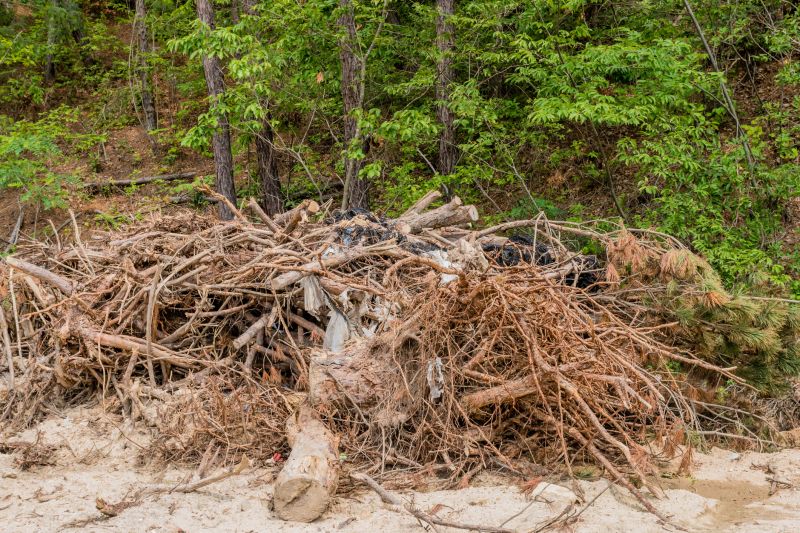
- Uprooted Tree Extraction - following a tree being uprooted by high winds or ground instability.
- Disease or Pest-Infested Tree Removal - when a tree is infected and needs to be removed to prevent spreading.
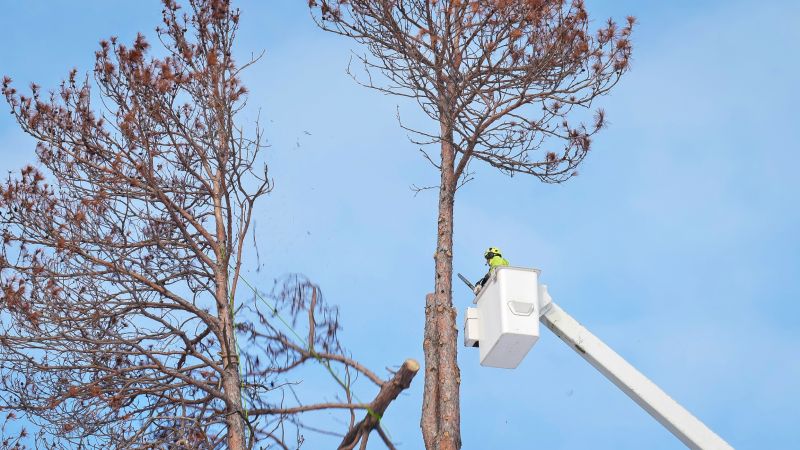
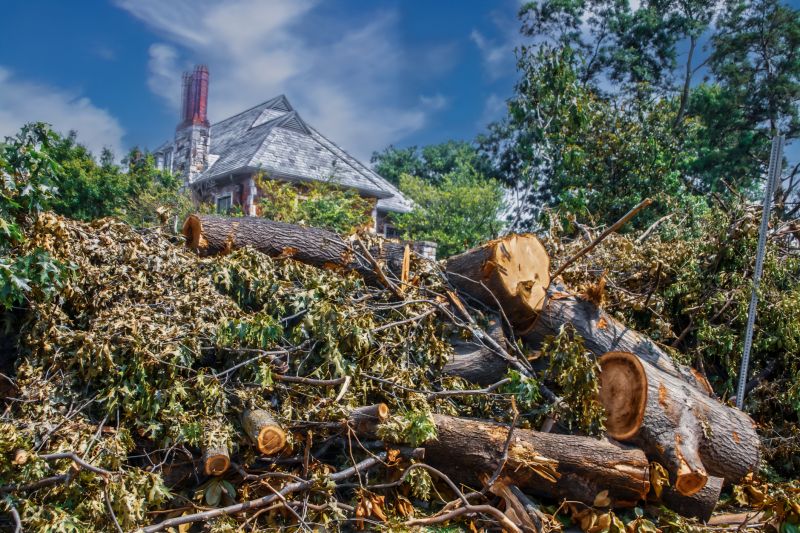
Dead tree removal services involve the careful process of removing trees that are dead, decaying, or posing a risk to property and safety. These services typically include assessing the condition of the tree, planning the safest method for removal, and then executing the work using appropriate equipment. The goal is to eliminate the tree efficiently while minimizing potential damage to surrounding structures, landscaping, or nearby trees. Professional contractors ensure that dead or hazardous trees are removed responsibly, reducing the risk of unexpected falling branches or complete toppling that could cause injury or property damage.
This service is essential for addressing a variety of problems caused by dead or dying trees. Over time, dead trees can become unstable and more likely to fall, especially during storms or high winds. They can also serve as hosts for pests or diseases that might spread to healthy trees on the property. Additionally, dead trees can obstruct views, interfere with power lines, or create hazards in outdoor spaces. Removing these trees helps prevent accidents, protects property investments, and maintains the overall safety and aesthetic of the property.
Dead tree removal is commonly used on residential properties, including private yards, gardens, and driveways. It is also frequently needed on commercial properties, parks, and public spaces where safety and appearance are priorities. Homes with mature trees that have shown signs of decay or damage often require professional removal to prevent potential hazards. Property owners might also seek this service if they are planning landscaping projects or want to clear space for new plantings. Local contractors provide tailored solutions for each property, ensuring the work is done safely and efficiently.
Homeowners and property managers should consider dead tree removal services when noticing signs of decline, such as dead branches, peeling bark, or leaning trees. These issues can indicate that a tree is no longer healthy and may pose a risk if left untreated. Professional service providers can evaluate the condition of trees and recommend appropriate removal options. Whether it’s a single tree or multiple hazardous trees, connecting with experienced local contractors helps ensure that dead trees are removed properly, reducing risks and improving the safety and appearance of the property.
The overview below groups typical Dead Tree Removal projects into broad ranges so you can see how smaller, mid-sized, and larger jobs often compare in your area.
In many markets, a large share of routine jobs stays in the lower and middle ranges, while only a smaller percentage of projects moves into the highest bands when the work is more complex or site conditions are harder than average.
Smaller Tree Removals - typical costs range from $250 to $600 for many routine jobs involving smaller trees or limited work. These projects are common and usually fall within this middle range. Larger or more complicated removals can cost more.
Medium-Sized Tree Removal - for trees that are more substantial but still manageable, local contractors often charge between $600 and $1,500. Many projects land in this bracket, though costs can vary based on tree size and location.
Larger or Hazardous Tree Removal - extensive or difficult removals can range from $1,500 to $3,000 or more. Fewer projects reach this high, typically involving challenging access or high-risk trees that require specialized equipment.
Full Tree Removal and Stump Grinding - complete removal, including stump grinding, generally costs between $1,000 and $4,000 depending on tree size and site conditions. Larger or more complex jobs can exceed this range, with many projects falling into the middle tiers.
Actual totals will depend on details like access to the work area, the scope of the project, and the materials selected, so use these as general starting points rather than exact figures.
Tree Trimming and Pruning - this service involves shaping and reducing tree size, requiring similar skills and tools used in dead tree removal to ensure safety and proper tree health.
Stump Grinding and Removal - removing remaining stumps after tree removal involves specialized equipment and planning comparable to dead tree extraction processes.
Emergency Tree Damage Cleanup - handling fallen or damaged trees after storms demands quick assessment and removal skills akin to dead tree services.
Landscape Clearing - clearing overgrown or unwanted vegetation involves planning and equipment similar to removing dead or hazardous trees from properties.
Utility Line Clearance - trimming trees near power lines requires precision and safety measures comparable to dead tree removal work.
Land Clearing for Construction - preparing land by removing trees and brush involves techniques and planning similar to those used in dead tree removal projects.
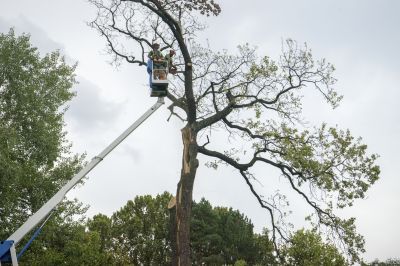
When comparing service providers for dead tree removal, it’s important to consider their experience with similar projects. Homeowners should look for local contractors who have a track record of safely and effectively handling tree removal jobs comparable to their own. An experienced professional will understand the nuances of different tree types, sizes, and site conditions, which can contribute to a smoother, more efficient process. Gathering information about how long a contractor has been performing dead tree removal and whether they have worked in the local area can help ensure they are familiar with the specific challenges that might arise.
Clear, written expectations are essential when evaluating potential service providers. Homeowners should seek detailed descriptions of the scope of work, including what will be removed, how debris will be handled, and any necessary site preparations or post-removal cleanup. Having these details in writing helps prevent misunderstandings and ensures everyone is aligned on the project’s requirements. It’s also a good idea to ask for a straightforward outline of the process, including any steps involved, so that expectations are transparent from the outset.
Reputable references and good communication are key factors in selecting the right local contractor. Homeowners can ask potential providers for references from past clients who had similar dead tree removal work completed. Contacting these references can provide insights into the contractor’s reliability, professionalism, and quality of work. Additionally, choosing a service provider who responds clearly and promptly to questions and provides thorough information can make the entire process more straightforward. While the site introduces homeowners to local options, it’s ultimately up to the homeowner to connect with and evaluate individual service providers based on these important criteria.
Property owners use Dead Tree Removal services for practical projects around their homes and businesses. This guide focuses on everyday jobs and straightforward project options.
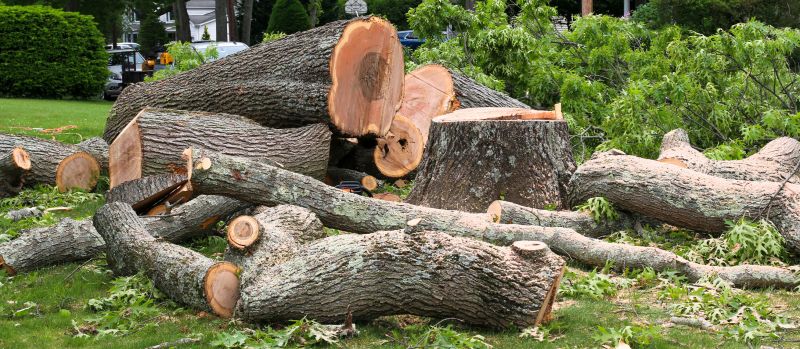
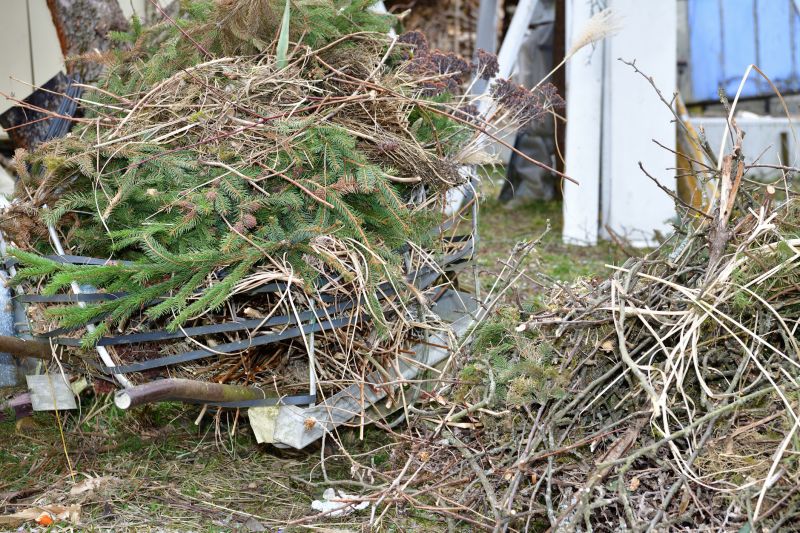
Dead tree removal is a common need for property owners dealing with trees that have become dead or severely damaged. Over time, dead or decaying trees can pose safety hazards, especially during storms or high winds, and may threaten nearby structures or power lines. Local contractors specializing in dead tree removal can assess the situation, safely take down problematic trees, and help prevent potential damage or injury on residential or commercial properties.
Property owners might also seek dead tree removal services to improve the appearance of their landscape or to make way for new planting projects. In some cases, dead trees can be an eyesore or detract from the overall curb appeal of a property. Local service providers can efficiently handle the removal process, ensuring the area is cleared and ready for future landscaping or development efforts.
What is dead tree removal? Dead tree removal involves the process of safely taking down trees that are no longer living or pose safety risks to property or people.
Why should I consider removing a dead tree? Removing a dead tree can prevent potential hazards such as falling branches or the tree toppling, which could cause damage or injury.
How do local contractors handle dead tree removal? Local service providers typically assess the tree's condition, then use specialized equipment to safely cut and remove the tree from the property.
Are there different methods of dead tree removal? Yes, methods can vary based on the tree's size, location, and condition, including crown reduction, complete removal, or sectioning the tree for safe dismantling.
What should I consider before hiring a dead tree removal service? It's important to choose experienced contractors who follow safety protocols and have the appropriate equipment to handle the specific removal needs.
Improve Landscape Safety - Removing dead trees can prevent potential hazards to people and property during storms or high winds.
Enhance Curb Appeal - Clearing away dead trees helps maintain a clean, attractive appearance for residential or commercial properties.
Prepare for Landscaping Projects - Dead trees can be removed to create space for new planting or construction projects around the property.
Protect Nearby Structures - Removing compromised trees reduces the risk of damage to fences, patios, or other structures caused by falling branches or trunks.
If you are thinking about Dead Tree Removal for a property, this guide is meant to help you understand the work, the typical project types, and how different options might fit your plans.
When you are ready, you can use the quote form on this page to share a few details about your project. From there, local pros can review the basics and respond with options that match what you have in mind.